June 8, 2026
Indian food is famous all over the world for its amazing flavors and...

Indian food is famous all over the world for its amazing flavors and types of dishes. The spices used in Indian food are rich in flavours and have different types of spices from other cuisines. The deciduous taste of the Indian creamy gravies, breads, many types of chutneys and hot crispy snacks is the heart of Indian food. When someone takes the name of Indian food it’s all we remember. Whenever you ask a true Indian food lover about North Indian and South Indian food, they will let you know the key difference between both of them.
North Indian food is famous for rich, creamy and wheat based meals, while South Indian food is more focused on its bright, rice based dishes and tangy, spicy flavours. In this regional Indian food guide, we will understand both North Indian vs South Indian Food, their difference, cooking staples, spices and famous dishes. So let’s get into this.
|
Aspect |
South Indian Food |
North Indian Food |
|
Staple Ingredients |
Rice, lentils and starchy vegetables |
Wheat-based bread (roti, naan), dairy products |
|
Cooking Techniques |
Steaming, boiling and fermenting |
Baking, sauteing and grilling |
|
Accompaniments |
Water-based dishes like sambar and rasam |
Creamier gravies and stews |
|
Caloric Content |
Lower due to fermented foods and light dishes |
Higher due to cream, ghee and fried items |
|
Heart Health |
High fibre content promotes cholesterol management |
Ghee and cream can increase cholesterol if overused |
|
Vegan/Gluten-Friendly |
Naturally vegan and gluten-free due to rice and lentils |
Less gluten-free, uses wheat-based breads |
|
Flavor Profile |
Tangy, spicy and lighter |
Rich, creamy and robust flavours |
|
Common Oils |
Coconut oil |
Ghee, butter and mustard oil |
|
Famous Dishes |
Dosa, Sambar and Rasam |
Butter Chicken, Dal Makhani and Naan |
|
Desserts |
Payasam and Mysore Pak |
Gulab Jamun and Lassi |
Both North and South Indian cuisine Australia are praised for their bold use of spices. However, the way they mix different spices makes the real difference:
North Indian Food: Most of the North Indian gravies are made using original garam masala. The garam masala is a mix of cumin, coriander, cardamom and cinnamon, adding the spicy flavour to the food.
South Indian Food: The tangy and spicy taste comes from mustard seeds, curry leaves, tamarind and fenugreek seeds. The use of green and red chillies makes the food more spicy and flavourful.
India’s food culture is defined by a vibrant difference between North and South, offering distinct and classic tastes.
Famous North Indian Dishes
Butter Chicken – Rich, tender chicken in a velvety, creamy tomato sauce
Paneer Butter Masala – Rich, creamy cottage cheese in a buttery tomato gravy.
Aloo Paratha – Stuffed potato flatbread with yogurt and pickles.
Chole Bhature – Spicy chickpea curry served with fluffy deep-fried bread.
Dal Makhani – Slow-cooked black lentils in creamy, rich and buttery sauce.
Famous South Indian cuisine Australia Dishes
Dosa – Crispy, fermented rice crepe served with chutney and sambar.
Idli – Soft, fluffy South Indian steamed rice cakes with coconut chutney.
Sambar – Tangy South Indian lentil and vegetable stew with spices.
Rasam – Traditional South Indian tangy, peppery tomato and tamarind broth.
Pongal – Savory rice and lentil dish seasoned with black pepper.
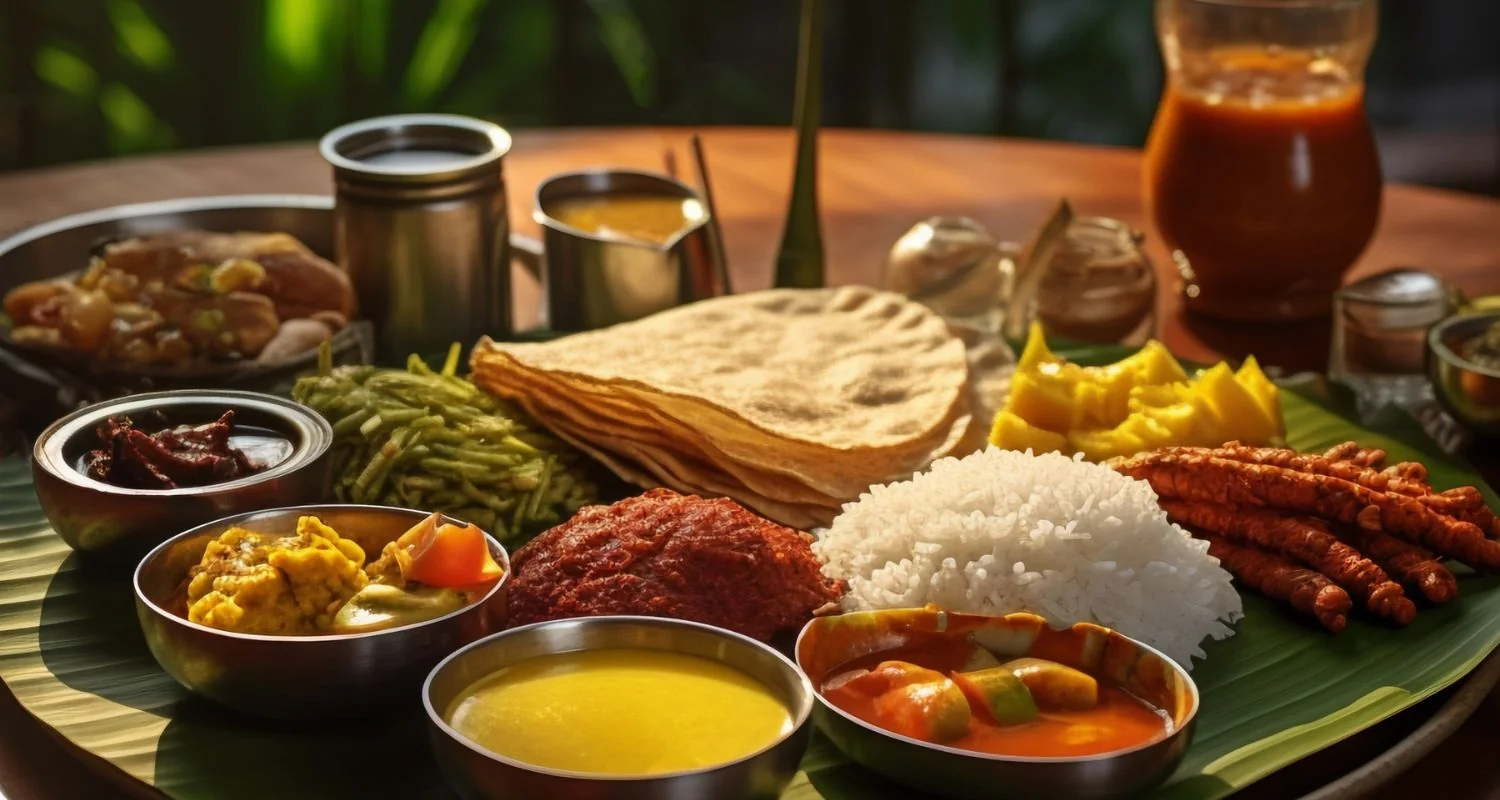
Normally, South Indian food involves dishes made with wheat and refined flour. Tandoori rotis, naan, rumali rotis and parathas are the most preferred North Indian breakfasts. On the other hand, North Indians prefer rice. While it involves breakfasts like dosas, idlis and appams. Both parts of India have different rainfall patterns and the food preferences of both parts largely depend on the grains that both parts receive. In South India, the rain duration is almost 6 months a year, so rice is available in higher quantities. Many of the dishes in South India are made with rice and grains.
South Indians commonly eat dosa, which is made of the batter of rice and lentils. This dish is enjoyed with samba and many types of chutneys, including coconut chutney, mint chutney and spicy mixture of ground pulses.
There is a variety of options available in Dosa that are famous worldwide:
On the other hand, wheat plays an important role in North Indian food. In this part of India, many kinds of bread are famous and part of the Indian main course. The Naan has many variants that are loved all over the world. Naan is a crispy, fluffy and buttery bread people prefer to eat with gravy based curries and more. There are many more crispy rotis that go with any gravy and chutney.
There is a variety of options available in Naan that are famous worldwide:
As a peninsula, seafood is easily seen as a main component of South Indian food. Fish is the main part of their menu. When you visit a restaurant for breakfast, lunch or dinner, you can easily find many fish varieties in most of the coastal regions. Deep fried spicy fish, biryani, roasted shrimp and crab are the most famous dishes in South India. North Indians don’t prefer fish in most of the parts, fish is only preferred in some parts of North India, especially in eastern and western India.
While in North India, chicken and mutton are more popular among non-vegetarians. There are many varieties of chicken and mutton dishes famous around the world.
Coconut plays a major role in South Indian food and is used in almost every dish. No matter if it is curry, dessert, or chutney, coconut is a major element that adds a different type of taste to food. People in South India use coconut in many ways. Whether it is for garnishing, coconut curry or completely coconut based chutney, it is not wrong to say that the coconut is a major part of almost every dish made in South India.
On the other hand, in North India, coconut is used in very few dishes as a garnishing ingredient. It is not a major part of every dish. While people prefer butter, cream, curd and milk to add thickness in curries.
Indian food has a wide variety, including North Indian vs South Indian food. This difference in the food depends on the region and the climate. No matter if you like hot, spicy or creamy food India has something for everyone. There is no debate between which is more tasty, North Indian or South Indian both food carry their own taste and benefits.
At GetIndia every food has its own flavour. No matter if you are planning to eat North Indian or South Indian choose us for making your dining experience amazing. We are always here to serve the best.
Q. Which is healthier: North Indian or South Indian food?
Both North Indian and South Indian food are healthy. However, they both offer different benefits based on ingredients and cooking methods. South Indian food is lighter, low in calories and gut friendly. North Indian food is high in protein, fiber and iron and offers all the wheat based meals.
Q. What are the factors that differentiate North and South Indian food?
Both have different cooking methods, staples and ingredients. For example, North Indian food has ghee, butter, wheat and creamy gravies. On the other hand, South Indian food has rice, coconut, tamarind and lighter, steamed dishes.
Q. Which food is spicier, North or South Indian?
South Indian food is generally more spicy than North Indian food. North Indian food is rich, creamy and milder. On the other hand, South Indian dishes, especially from Andhra Pradesh, are intense and direct heat using chili, pepper and coconut.
Q. Which region in India serves the spiciest food?
There are many regions in India serving spicy food, especially Andhra Pradesh and Telangana. Their dishes, featuring the intense heat of Guntur red chilies, offer deep, fiery flavor.
Q. What are typical breakfast dishes in each region?
North Indian Breakfast (Heavy, Wheat-based, Dairy-rich)
Parathas (aloo, gobi and paneer) served with white butter, curd and pickles.
Chole Bhature: Spicy chickpeas paired with deep-fried leavened bread.
Puri Sabzi: Fried bread served with spiced potato curry.
Moong Dal Chilla: Savory crepes made from green lentils.
Accompaniments: Tea (chai), lassi, curd and butter.
South Indian Breakfast (Light, Rice/Lentil-based, Fermented)
Idli: Steamed, soft rice cakes made from fermented batter.
Dosa: Thin, crispy crepes (plain, masala, or ghee).
Vada: Savory, fried lentil donuts.
Upma: Savory porridge made from semolina (rava) or vermicelli.
Appam: Fermented rice pancakes with a thick center and crispy edges.
Accompaniments: Sambar (lentil stew) and coconut chutney.
Get India Restaurant
Indian food is famous all over the world for its amazing flavors and...
Indian food is one of the most popular food items in Australia. Thanks...
Discover how the humble clay oven evolved into the heart of modern Indian...